Tongyuan Electronic Co., Ltd.
内页

Blog

Hogar

Blog

  • Why the Premium Wall Clock Market Is Making a Comeback
    Feb 25, 2026
    Meta Description:Discover why the premium wall clock market is growing again. Explore design evolution, consumer lifestyle shifts, and how high-end wall clocks are reclaiming their place in modern interiors. Introduction: The Unexpected Revival For years, many industry observers predicted the decline of traditional wall clocks. With smartphones, smartwatches, and digital assistants everywhere, timekeeping seemed fully digitized. Yet something unexpected happened. The premium wall clock market is not disappearing. It is returning—stronger, more refined, and more design-driven than before. But this resurgence is not about timekeeping. It is about identity, atmosphere, and value. 1. The Digital Fatigue Effect Modern consumers are surrounded by screens. Phones. Tablets. Laptops. Smart TVs. As digital exposure increases, many people seek balance through tangible design elements. A premium wall clock offers: Physical presence Visual calm Non-digital interaction Timeless simplicity Instead of checking time on a screen, people rediscover the quiet satisfaction of glancing at a well-designed object on the wall. Premium clocks represent analog grounding in a digital world. 2. Interior Design as Personal Expression Interior design has become central to lifestyle branding. Consumers increasingly invest in: Thoughtfully curated spaces Statement décor pieces Quality materials Cohesive aesthetics In this environment, wall clocks are no longer secondary accessories. They serve as: Architectural anchors Artistic focal points Conversation pieces Premium clocks—crafted with wood, metal, layered acrylic, or integrated lighting—add depth and intention to a room. Design-conscious buyers prefer fewer, better objects. 3. The Shift from Quantity to Quality Mass-produced low-cost clocks flooded the market in previous decades. However, price-driven competition created: Design repetition Weak durability Poor movement quality Short product lifespans Consumers increasingly recognize the value of investing in higher-quality pieces that last. Premium wall clocks offer: Silent sweep movements High-torque stability Durable materials Long-term reliability This shift toward durability supports premium market recovery. 4. Sustainability and Longevity Sustainability awareness influences purchasing decisions. Premium clocks often incorporate: FSC-certified wood Recyclable metal Long-life quartz mechanisms Minimal packaging waste Consumers seeking sustainable lifestyles prefer products built to endure. Fast décor is losing appeal. Timeless design is gaining momentum. 5. Hospitality & Commercial Demand The premium segment is also expanding in commercial environments. Boutique hotels, cafés, offices, and restaurants seek distinctive interior elements. A well-designed premium clock communicates: Attention to detail Design awareness Brand sophistication Unlike inexpensive decorative items, premium clocks maintain structural integrity over years of commercial use. This strengthens B2B demand. 6. The Emotional Value of Time Premium wall clocks symbolize more than functionality. They represent: Continuity Rhythm Stability Craftsmanship In uncertain global conditions, physical objects that reflect permanence gain emotional importance. Luxury often reflects reassurance. 7. Craftsmanship as a Differentiator Premium wall clocks highlight: Material authenticity Precision finishing Balanced proportions Structural integrity These characteristics are increasingly visible to informed consumers. Craftsmanship has become a selling point. Hand-finished wood grains, brushed metal textures, and layered panel designs signal quality immediately. 8. Limited Editions & Design Identity Premium brands are also leveraging: Limited production runs Exclusive material combinations Signature design language Structured product families This strengthens brand identity and customer loyalty. Unlike mass-market items, premium clocks build recognition through consistency and originality. 9. Margin Opportunity for Retailers From a commercial perspective, premium clocks offer: Higher unit margins Stronger brand differentiation Lower return rates (due to quality) Reduced direct price competition Retailers increasingly prefer curated product ranges over high-volume low-margin models. Premium products create healthier long-term partnerships between manufacturer and distributor. 10. Technology Supporting Premium Design Modern premium clocks are not technologically outdated. They may include: Silent high-precision movements Subtle LED backlighting Smart brightness control High-torque structural engineering Technology enhances premium design—without dominating it. The goal is refinement, not complexity. 11. Global Market Observations Premium wall clock demand is especially visible in: Europe (design-focused interiors) North America (large statement pieces) Middle East (luxury décor emphasis) Boutique hospitality markets worldwide Consumers are increasingly willing to pay for differentiated design. The premium segment is no longer niche—it is expanding. 12. The Future of Premium Clocks Looking ahead, premium wall clocks will likely emphasize: Sustainable material sourcing Sculptural artistic forms Integrated yet subtle lighting Limited-edition collaborations Structured design collections Premium does not mean complicated. It means intentional. Conclusion: A Market Redefined The premium wall clock market is making a comeback—not because people forgot how to tell time digitally. It is returning because consumers seek: Tangible beauty Lasting quality Emotional connection Design authenticity Wall clocks are no longer competing with smartphones. They are competing in the world of interior art and lifestyle identity. For manufacturers evolving from OEM to brand-driven strategy, the premium segment represents: Margin stability Brand recognition Long-term growth opportunity Time remains constant.   But how we display it continues to evolve.
    LEER MÁS
  • Behind a Best-Selling Wall Clock: Team Collaboration and Design Process
    Behind a Best-Selling Wall Clock: Team Collaboration and Design Process
    Feb 25, 2026
    Meta Description:Discover what goes on behind a best-selling wall clock. Learn how design, engineering, sourcing, and quality control teams collaborate to turn ideas into successful global products. Introduction: Success Is Never Accidental When a wall clock becomes a best-seller, the market sees only the final product. What remains invisible is the collaboration behind it. From early concept sketches to global shipment, a successful wall clock is the result of structured teamwork—designers, engineers, sourcing specialists, quality inspectors, and marketing professionals working in alignment. Understanding this process is essential for retailers seeking reliable long-term partners. 1. Identifying Market Opportunity Every successful product begins with insight. The process often starts with: Market trend analysis Retailer feedback Consumer review evaluation Competitive benchmarking Interior design forecasting For example, increasing demand for minimalist warm-toned clocks or light-integrated models may trigger a new development direction. Opportunity identification defines the project’s strategic foundation. 2. Concept Ideation & Creative Direction Once a direction is confirmed, the design team begins concept development. This phase includes: Sketch drafting Mood board creation Proportion testing Typography selection Color exploration Designers focus not only on aesthetics but also on positioning. Is this clock meant to be: A statement piece? A minimalist everyday model? A premium layered design? A mid-range LED product? Clear direction avoids internal misalignment later. 3. Engineering Validation After aesthetic approval, engineering takes the lead. Key technical questions include: Can this structure support long-term stability? Is the movement torque sufficient? How will weight distribution affect mounting? Is light diffusion even? Is assembly efficient? Engineering collaboration ensures that creativity remains manufacturable. Design and engineering must move in parallel—not sequentially. 4. Material Sourcing & Testing Sourcing teams evaluate: Wood grain consistency Metal coating durability Acrylic clarity Surface finishing quality Samples are tested for: Scratch resistance Color consistency Environmental durability Long-term stability Material reliability directly influences product lifespan and brand trust. 5. Prototype Development Physical samples bring theory into reality. Prototyping reveals: Unexpected balance issues Visual proportion adjustments Installation refinements Packaging protection needs Often, multiple revisions occur before final approval. Iterative improvement is a sign of discipline—not inefficiency. 6. Cost Optimization Without Compromise A best-selling product must balance cost and perceived value. Teams collaborate to: Optimize component sourcing Adjust structural complexity Improve assembly workflow Maintain premium appearance The goal is margin stability without aesthetic sacrifice. Strategic cost engineering protects long-term competitiveness. 7. Quality Control System Alignment Before mass production, QC teams define inspection standards. Checks may include: Movement noise testing Accuracy monitoring Surface finish inspection Structural stability verification LED performance testing Clear standards reduce defect rates and return risks. For global buyers, consistent QC builds long-term confidence. 8. Packaging & User Experience Marketing and operations collaborate on: Packaging strength Installation instructions Brand storytelling inserts Protective foam structure Packaging is part of product experience. A premium clock requires premium protection and presentation. 9. Cross-Department Communication The most successful product teams share: Transparent communication Structured development timelines Clear responsibility allocation Rapid problem-solving protocols Designers understand production constraints. Engineers respect design intent. Operations anticipate retail expectations. This alignment prevents costly missteps. 10. Launch & Market Feedback After production and shipment, the process does not end. Ongoing monitoring includes: Customer reviews Retailer feedback Return rate analysis Competitor response tracking Continuous feedback informs future upgrades. Best-sellers are rarely static—they evolve. 11. What Makes a Product Truly “Best-Selling”? Success is rarely based on design alone. It combines: Strong aesthetics Stable performance Competitive pricing Reliable delivery Retailer support Brand consistency When all departments collaborate effectively, market performance improves naturally. 12. Lessons from Successful Development Behind every best-selling wall clock lies: Clear strategy Structured process Iterative refinement Cross-functional respect Long-term thinking Isolated creativity rarely leads to sustained success. Team discipline does. Conclusion: Collaboration Creates Excellence A best-selling wall clock is not the result of a single designer’s inspiration. It is the outcome of coordinated effort across design, engineering, sourcing, quality control, and marketing. For retailers and distributors, choosing a supplier with structured team collaboration systems ensures: Stable product quality Reliable delivery Continuous improvement Long-term partnership value Behind every successful product is a system.   And strong systems create lasting brands.
    LEER MÁS
  • How AI Accelerates Innovation in Wall Clock Design
    How AI Accelerates Innovation in Wall Clock Design
    Feb 25, 2026
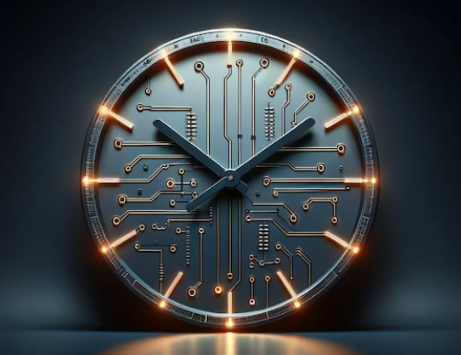
    Meta Description:Discover how AI tools are transforming wall clock design—from trend analysis and rapid prototyping to visualization and production efficiency. Introduction: A New Design Era Artificial Intelligence is reshaping product development across industries—and wall clock design is no exception. What once required weeks of manual sketching, mood board assembly, and rendering can now be accelerated through AI-assisted workflows. For manufacturers transitioning from OEM to design-led branding, AI offers a powerful competitive advantage. But AI is not replacing designers. It is amplifying them. 1. AI in Trend Analysis Understanding market trends is the first step in successful product development. AI tools help analyze: Interior design movements Color trend forecasts E-commerce data patterns Customer review feedback Competitive product gaps Instead of relying solely on trade fairs or manual observation, AI-assisted research provides real-time insight into evolving consumer preferences. This reduces blind product launches and increases success rates. 2. Rapid Concept Generation Traditional concept development can be time-consuming. AI-powered design tools allow: Instant style variations Color palette experimentation Form exploration Proportion testing Design teams can generate dozens of concept directions within hours instead of days. This accelerates creative exploration while maintaining human control over final decisions. 3. Enhanced Visualization High-quality 3D visualization is critical for modern product development. AI enhances: Photorealistic rendering Lifestyle scene simulation Material texture preview Lighting effect modeling For wall clocks with layered acrylic or RGB lighting, visualizing glow diffusion and shadow interaction becomes significantly easier. This improves internal decision-making and reduces prototype revisions. 4. AI-Assisted Prototyping Efficiency Before physical prototyping, AI simulation tools help evaluate: Structural balance Hand proportion Wall mounting feasibility Light diffusion spread Visual symmetry This reduces costly physical sample iterations. The result is shorter development cycles and lower R&D waste. 5. Customization & Private Label Speed Retailers increasingly request customization. AI tools enable faster adaptation of: Logo placement Color modifications Size variations Material swaps This improves response speed for B2B inquiries. Faster sample approval leads to faster production. 6. Optimizing Product Families AI helps designers build cohesive product lines. Instead of isolated models, brands can develop: Coordinated size variations Consistent typography systems Structured color collections Thematic seasonal releases AI-generated visual libraries allow structured expansion without losing brand identity. 7. Manufacturing Optimization AI integration extends beyond design. Production processes benefit from: Predictive defect analysis Inventory demand forecasting Supply chain risk modeling Production scheduling optimization Smarter operations improve delivery stability. For global distributors, reliability is as important as design. 8. Supporting Sustainability Goals AI tools help calculate: Material usage efficiency Packaging volume optimization Carbon footprint modeling Waste reduction strategies Sustainability reporting becomes more precise and data-driven. Eco-conscious buyers value measurable responsibility. 9. Reducing Development Risk One of AI’s strongest advantages is risk reduction. By simulating design variations and market positioning scenarios, manufacturers can: Avoid oversaturated trends Predict consumer preference direction Minimize unsellable inventory Strategic forecasting strengthens long-term product planning. 10. Maintaining Human Creativity Despite technological advancement, AI does not replace human judgment. Designers still control: Final aesthetic direction Emotional resonance Brand identity alignment Proportion decisions AI provides tools. Designers provide taste and vision. The most successful brands combine both. 11. Competitive Advantage in Global Markets Manufacturers who integrate AI gain: Faster response times More flexible customization Data-backed product decisions Stronger design iteration speed In competitive export markets, agility becomes a strategic asset. AI shortens innovation cycles. 12. The Future of AI in Wall Clock Design Looking forward, AI may enable: Real-time consumer design customization On-demand visual configuration tools Smart interior matching recommendations Automated product line expansion However, technology must remain purposeful. AI should enhance product quality—not complicate it. Conclusion: Innovation at Accelerated Speed AI is transforming how wall clocks are designed, visualized, and produced. For manufacturers upgrading from OEM to brand-driven strategy, AI offers: Faster development Smarter decision-making Improved efficiency Stronger differentiation The future of wall clock design will belong to companies that combine: Manufacturing discipline Creative intelligence Data-driven insight AI does not replace craftsmanship.   It empowers it.
    LEER MÁS
  • From Factory to Brand: Upgrading a Traditional Clock Manufacturer
    From Factory to Brand: Upgrading a Traditional Clock Manufacturer
    Feb 25, 2026
    Meta Description:Explore the journey of transforming a traditional clock factory into a modern design-driven brand. Learn the strategic shifts required to move from OEM manufacturing to global brand positioning. Introduction: The Crossroads of Manufacturing For many traditional clock manufacturers, the journey began with craftsmanship, production discipline, and export partnerships. OEM manufacturing provided stability. Orders were consistent. Operations were efficient. But over time, global competition intensified. Margins narrowed. Copycat designs flooded marketplaces. The question became unavoidable: Is manufacturing enough? Upgrading from factory to brand requires strategic transformation—not just operational improvement. 1. Recognizing the Need for Change The first step in transformation is awareness. Common warning signs include: Increasing price pressure Clients switching suppliers based solely on cost Short product lifecycles Limited pricing power Weak brand recognition When products lack differentiation, factories become interchangeable. Brand evolution becomes not a luxury—but a necessity. 2. Building Internal Design Capability Brand transformation begins with design ownership. This requires: Establishing an in-house design team Investing in CAD and 3D modeling tools Developing prototype testing systems Monitoring global design trends Original product development becomes the foundation of differentiation. Design must evolve from reactive execution to proactive creation. 3. Strengthening R&D Infrastructure A brand-driven manufacturer invests in research and development. R&D priorities include: Movement innovation Material exploration Structural optimization LED integration systems Sustainable material alternatives Structured development pipelines reduce reliance on external design direction. Innovation becomes internal capability. 4. Defining Brand Identity Manufacturing produces products. Branding defines meaning. A clear brand identity answers: What design philosophy do we represent? What price tier do we target? What materials define our signature? What lifestyle do we communicate? Consistency across product lines builds recognition. Without clarity, brand efforts remain fragmented. 5. Transitioning from Cost Focus to Value Focus Traditional OEM operations prioritize cost efficiency. Brand evolution shifts emphasis toward: Value perception Customer experience Packaging presentation Product storytelling After-sales reliability Higher value positioning supports stronger margins and long-term growth. 6. Investing in Visual Communication Modern brand building requires strong visual presence. Essential components include: Professional product photography Lifestyle scene presentation Consistent color palette Structured product collections Digital marketing assets Retailers and consumers increasingly judge brands by presentation quality. Visual clarity builds trust. 7. Developing Multi-Channel Strategy Brand-oriented manufacturers expand beyond traditional export orders. Channels may include: Independent websites Amazon and e-commerce platforms Design exhibitions Social media presence Regional distribution partnerships Diversified channels reduce dependency on a small number of buyers. Brand resilience increases. 8. Quality Control as Brand Foundation Brand transformation demands uncompromising quality standards. Key upgrades often include: Strict movement testing Material inspection protocols Consistent finishing standards Long-term durability evaluation Quality is no longer simply about meeting order requirements. It directly reflects brand reputation. 9. Building Strategic Partnerships Moving from OEM to OBM requires collaborative relationships. Ideal partnerships include: Exclusive distributors Design-focused retailers Hospitality groups Interior designers Strategic collaboration creates long-term brand growth rather than short-term volume. 10. Managing the Cultural Shift Transformation is not purely operational. It requires mindset change. Production teams must embrace: Design experimentation Iterative prototyping Long-term brand thinking Continuous improvement Internal alignment ensures that brand values translate into production reality. 11. Balancing OEM and OBM Many manufacturers maintain both OEM and OBM models. OEM provides: Stable production volume Operational continuity OBM provides: Higher margins Brand equity Market influence Balanced strategy allows gradual transition without financial instability. 12. Long-Term Benefits of Brand Upgrade Successful transformation results in: Greater pricing power Global recognition Stronger negotiation position Reduced price competition Sustainable growth Factories compete on cost. Brands compete on value. Conclusion: Manufacturing with Vision Upgrading from factory to brand is not an overnight change. It is a structured journey requiring: Design ownership R&D investment Identity clarity Quality discipline Strategic marketing In today’s competitive landscape, manufacturing capability alone is insufficient. The future belongs to manufacturers who think like brands—and brands who understand manufacturing. Transformation is challenging.   But evolution defines leadership.
    LEER MÁS
  • Why We Focus on Original Wall Clock Designs
    Why We Focus on Original Wall Clock Designs
    Feb 25, 2026
    Meta Description:Discover why original wall clock design matters in today’s competitive market. Learn how innovation, intellectual property, and brand identity drive long-term growth beyond OEM manufacturing. Introduction: Beyond Manufacturing For decades, many clock manufacturers operated primarily under the OEM model—producing designs created by overseas brands. While OEM manufacturing offers production stability, it limits brand growth, differentiation, and long-term value creation. Today, global competition has intensified. Price wars are common. Product lifecycles are shorter. In this environment, original design is no longer optional. It is strategic. 1. The Limitations of Pure OEM Manufacturing OEM production focuses on: Cost efficiency Production volume Client-driven design execution However, OEM dependency creates vulnerabilities: Low pricing power Minimal brand recognition Limited design ownership High competition on identical products When multiple factories produce similar designs, differentiation disappears. Margins shrink. Long-term brand value remains stagnant. 2. Original Design Creates Market Identity Original wall clock designs allow a manufacturer to: Build recognizable product lines Establish design language consistency Protect intellectual property Strengthen negotiation power Instead of competing purely on price, brands compete on uniqueness. Retailers increasingly seek differentiated products to avoid marketplace saturation. Original design directly addresses this need. 3. Intellectual Property as Competitive Advantage Investing in original design allows: Design patents Appearance patents Exclusive distribution agreements Controlled licensing models Intellectual property protection prevents direct copying and strengthens market positioning. In mid-range and premium segments, originality significantly increases brand trust. 4. Moving from Execution to Innovation OEM factories execute. Design-driven brands innovate. The transition requires: Dedicated R&D teams Industrial design capability Prototyping infrastructure Trend forecasting Cross-functional collaboration It also requires a cultural shift—from following to leading. Innovation requires long-term thinking. 5. Design as Value Creation Consumers rarely purchase a clock solely to tell time. They purchase: Aesthetic enhancement Lifestyle alignment Emotional resonance Original design enables storytelling. For example: Layered geometric clocks Light-integrated ambient clocks Sustainable material collections Sculptural statement pieces Design transforms a functional object into a lifestyle symbol. 6. Supporting Retailer Differentiation Retailers face intense competition, particularly in e-commerce. Identical products often lead to: Price wars Reduced margins Poor review performance Retailers value suppliers who provide: Exclusive designs Private label adaptation Limited production runs Custom color variations Original design capabilities create strategic partnerships, not transactional relationships. 7. Long-Term Brand Equity Brands built on original design achieve: Higher average selling price Stronger customer loyalty Repeat purchase potential Global recognition Original collections allow structured product families rather than isolated models. Consistency builds identity. 8. Innovation Through Technology Modern design development increasingly integrates: CAD precision modeling AI-assisted visualization Rapid prototyping CNC manufacturing Laser cutting technologies These tools shorten development cycles and increase creative flexibility. Innovation is not accidental—it is engineered. 9. Balancing Creativity and Manufacturability Original design must still respect production feasibility. Successful innovation requires collaboration between: Designers Engineers Production managers Quality control teams This ensures that creative ambition aligns with scalable manufacturing. 10. Building an OBM Mindset Transitioning from OEM to OBM (Original Brand Manufacturer) requires: Brand positioning clarity Visual identity consistency Content marketing investment Direct customer engagement Strategic distribution partnerships Original design forms the foundation of OBM strategy. Without design ownership, brand identity cannot mature. 11. Risk and Reward Investing in original design involves: R&D costs Prototype expenses Longer development cycles However, the reward includes: Higher margins Stronger negotiation leverage Global market resilience Sustainable long-term growth In competitive industries, innovation is the safest long-term strategy. Conclusion: Designing the Future Focusing on original wall clock design is not merely about aesthetics. It is about: Ownership Differentiation Brand evolution Strategic independence Manufacturing excellence remains essential—but innovation defines leadership. Original design transforms a factory into a brand.   And brands shape the future.
    LEER MÁS
  • Material Matters: Wood, Metal, or Acrylic in Modern Clock Design
    Feb 25, 2026
    Meta Description:Explore how material selection—wood, metal, or acrylic—impacts wall clock design, durability, cost, and market positioning. A guide for retailers and private label buyers. Introduction: Material as a Strategic Decision In wall clock manufacturing, material choice is not simply an aesthetic decision. It directly influences: Product positioning Perceived value Durability Cost structure Market suitability Sustainability profile For retailers, distributors, and private label brands, understanding material characteristics is essential when selecting or developing new models. Wood, metal, and acrylic dominate modern wall clock production. Each offers unique advantages—and strategic trade-offs. 1. Wood: Warmth, Authenticity, and Premium Appeal Wood has long been associated with craftsmanship and timeless design. Common Types Used: Solid wood Plywood (often FSC-certified) MDF with veneer finish Bamboo Advantages: Natural warmth Strong interior compatibility Eco-conscious positioning Premium perception Texture and grain variation Wood clocks perform particularly well in: Scandinavian interiors Japandi styles Mediterranean homes Boutique hospitality spaces Commercial Considerations: Heavier weight Moisture sensitivity Slightly higher material cost Requires consistent finishing control FSC certification adds strong value for European and North American markets. For premium segments, wood remains one of the strongest positioning materials. 2. Metal: Structural Strength & Industrial Elegance Metal offers a completely different visual language. Common Materials: Powder-coated steel Brushed aluminum Wrought iron Stainless steel Advantages: Structural stability Ideal for oversized clocks Long-term durability Strong modern aesthetic Industrial design compatibility Metal skeleton clocks are especially popular in: Loft-style interiors Commercial spaces Large living rooms Restaurants and cafés Commercial Considerations: Higher tooling precision required Powder coating quality control essential Potential corrosion risks without proper finishing Metal enables bold, statement-making designs that command wall presence. 3. Acrylic: Modern Flexibility & Design Freedom Acrylic has grown significantly in modern clock design due to its versatility. Key Characteristics: Lightweight Transparent or semi-transparent Color customizable Laser-cut friendly Cost-efficient Advantages: Enables layered designs Ideal for RGB integration Suitable for contemporary aesthetics Strong visual innovation potential Acrylic performs well in: Modern apartments Youth-oriented markets LED digital clock designs Decorative layered models Commercial Considerations: Scratch sensitivity Requires protective packaging Surface finish consistency critical High-quality acrylic can look premium, but lower-grade versions may appear cheap. Material grade selection directly impacts perceived value. 4. Hybrid Material Strategy Many successful modern wall clocks combine materials: Wood frame + metal numerals Acrylic layered panel + aluminum backing Metal structure + wooden center plate Hybrid construction allows: Strong visual contrast Improved structural integrity Balanced cost optimization Combining materials also enables more differentiated product lines. 5. Weight & Shipping Impact Material selection affects logistics. Wood and metal are heavier, increasing freight cost—especially in international shipping. Acrylic is lighter, offering cost advantages for: E-commerce fulfillment Air freight Cross-border retail For B2B buyers, container loading efficiency and packaging protection must be evaluated during material selection. 6. Durability & Environmental Resistance Different materials perform differently under environmental conditions. Wood: Sensitive to humidity May expand or contract Metal: Requires anti-rust treatment Sensitive to moisture without coating Acrylic: Resistant to humidity Can discolor under extreme UV exposure Product application environment should guide material choice. 7. Sustainability Expectations Western markets increasingly value sustainable sourcing. Wood offers: Renewable resource positioning FSC certification potential Natural lifecycle narrative Metal offers: Recyclability Long lifespan Acrylic requires careful positioning, particularly in eco-conscious markets. Transparent sustainability communication builds buyer trust. 8. Price Tier Alignment Material strongly influences pricing strategy. Entry-Level: MDF with printed face Basic acrylic Mid-Range: Powder-coated metal Veneer wood High-quality acrylic Premium: Solid wood Brushed aluminum Multi-layer hybrid construction Retailers often align material upgrade with brand storytelling. 9. Manufacturing Capability Assessment Before committing to material direction, buyers should evaluate: CNC capability Laser cutting precision Finishing consistency Coating quality control Assembly stability Not all factories specialize equally in every material type. Production strength must match design ambition. 10. Market Preference Differences Europe: Wood & metal favored Sustainability emphasis North America: Large metal statement clocks popular LED & hybrid models growing Middle East: Metal and decorative finishes preferred Asia: Acrylic and LED integration strong Understanding regional preference enhances product success. 11. Long-Term Brand Positioning Material choice influences brand identity. Wood communicates: Warmth Craftsmanship Eco-consciousness Metal communicates: Strength Modernity Industrial elegance Acrylic communicates: Innovation Youthfulness Design flexibility Brands should maintain consistency in material direction to strengthen recognition. Conclusion: Material as Strategy Wood, metal, and acrylic each offer powerful design and commercial opportunities. There is no universally “best” material. The right choice depends on: Target market Price positioning Design direction Production capability Brand narrative For retailers and private label buyers, material is not just a component.   It is a strategic decision that shapes perception, margin, and long-term success.
    LEER MÁS
1 2 3 4 5 6 7 8 9 10 23 24
Un total de 24paginas

Dejar un mensaje

Dejar un mensaje
Si está interesado en nuestros productos y desea conocer más detalles, deje un mensaje aquí, le responderemos lo antes posible.
entregar

Hogar

Productos

whatsApp

contacto