Tongyuan Electronic Co., Ltd.
内页

Blog

Hogar

Blog

  • A Complete Guide to the Types of Clocks
    A Complete Guide to the Types of Clocks
    Oct 29, 2025
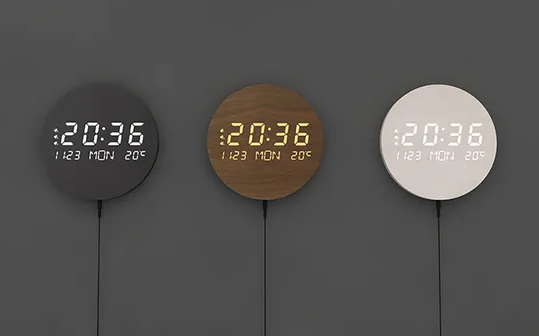
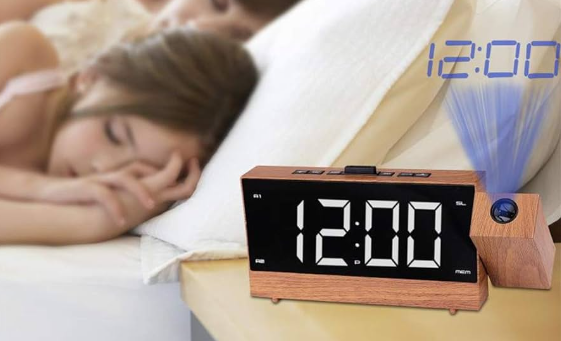
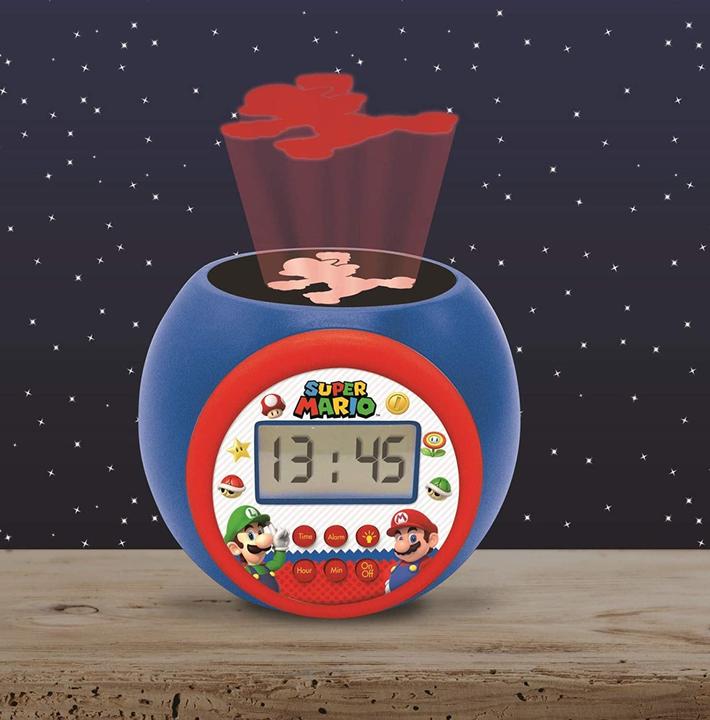
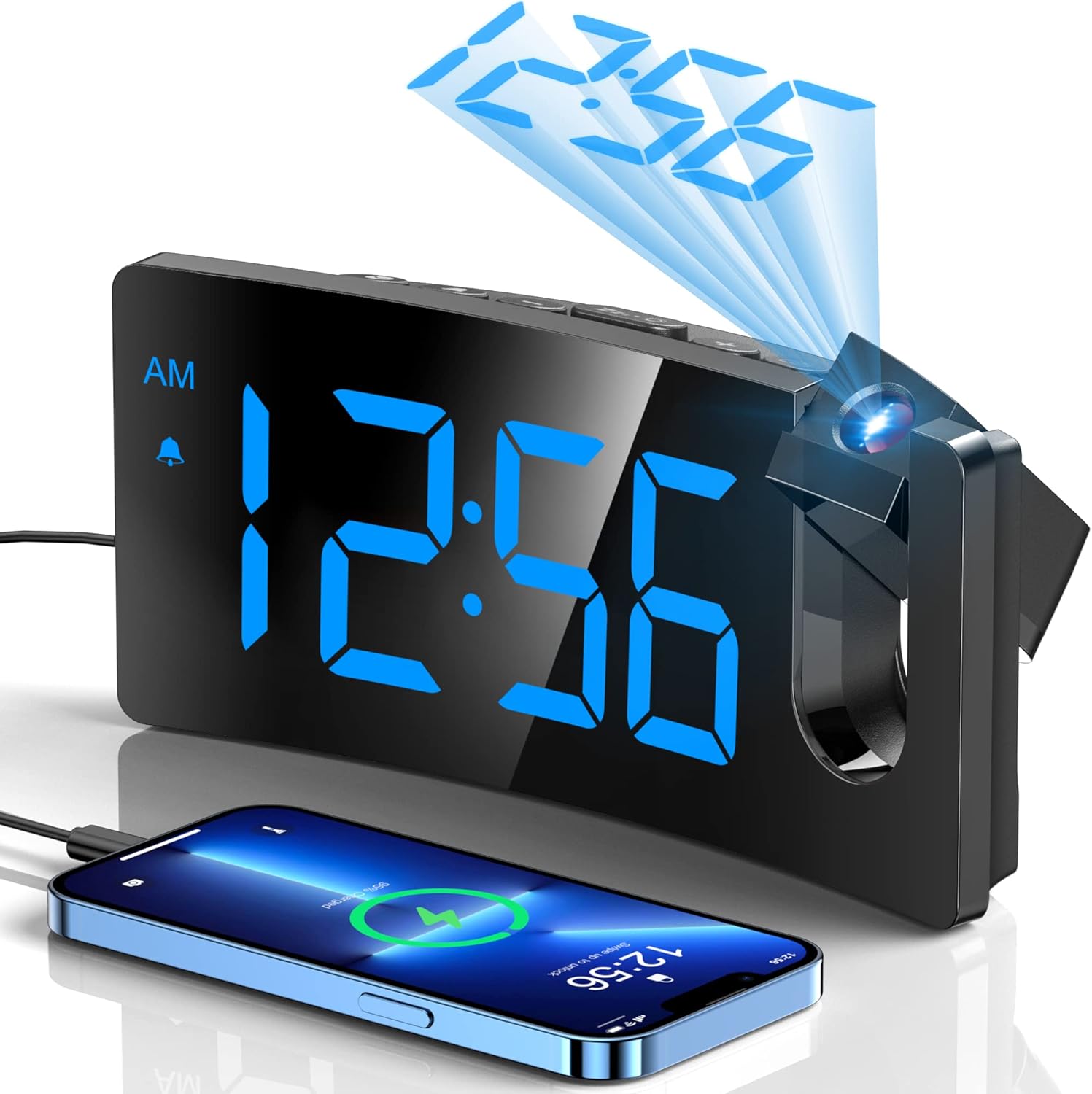
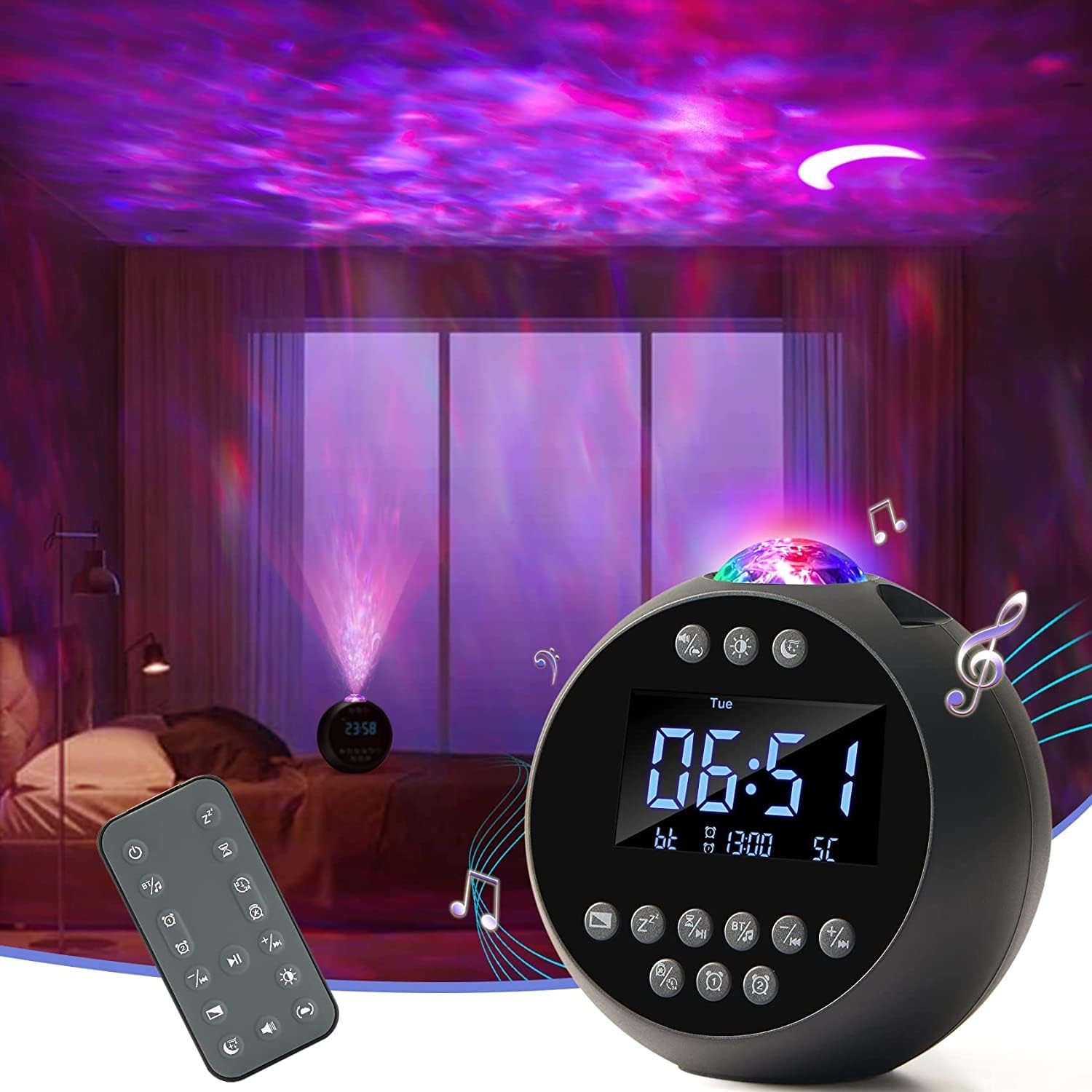
    Clocks are among the most essential inventions in human history — tools that not only help us measure time but also define how we live, work, and create. Over the centuries, clocks have evolved from complex mechanical marvels to elegant décor pieces and high-tech devices. Today, the world of clocks offers endless options, each designed to serve a unique purpose and style. At Tongyuan Clocks, we believe understanding the different types of clocks can help you choose the perfect one for your home, office, or commercial space. Here’s a complete guide to the main categories of clocks and what makes each special. Wall Clocks Wall clocks are the most common type, designed to hang prominently and make time easily visible from anywhere in the room. They range from classic pendulum styles to sleek, minimalist modern designs. Analog Wall Clocks – Feature traditional hour and minute hands, ideal for homes, schools, and offices. Digital Wall Clocks – Display time in numbers, often including date, temperature, and humidity readings. Decorative Wall Clocks – Designed as art pieces that enhance interior aesthetics while serving a practical function. Table and Desk Clocks Compact and versatile, table or desk clocks add both function and style to workspaces and bedrooms. Alarm Clocks – Essential for daily routines, often featuring nightlights, USB charging, or twin bell designs. Decorative Desk Clocks – Stylish accent pieces that elevate home offices, living rooms, or hotel spaces. Travel Clocks – Portable and lightweight, perfect for convenience on the go. Pendulum and Grandfather Clocks These clocks are timeless symbols of craftsmanship and tradition. Pendulum Clocks – Known for their swinging pendulums and rhythmic precision. Often used in living rooms or offices for a touch of sophistication. Grandfather Clocks – Tall, freestanding designs that embody elegance and history. They are often considered heirloom pieces. Digital and Smart Clocks In the modern age, digital and smart clocks have redefined timekeeping. LED and LCD Clocks – Offer clear, bright displays suitable for bedrooms and offices. Smart Clocks – Connect with home assistants or mobile apps, featuring alarms, temperature monitoring, and voice control. Projection Clocks – Display time on walls or ceilings, adding a futuristic touch to bedrooms and home theaters. Specialty Clocks Beyond the classic types, some clocks serve unique purposes or styles: Kids’ Educational Clocks – Designed with colorful graphics to help children learn to tell time. Weather and Hygrometer Clocks – Display temperature and humidity, perfect for offices or living spaces. Promotional Clocks – Custom-made with company logos for gifts, branding, and marketing events. Artistic and Themed Clocks – Creative designs like musical instruments, animals, or abstract art to match different personalities and décor styles. Choosing the Right Clock for Your Space When selecting a clock, consider function, style, and placement. A wall clock in the living room can act as a centerpiece, while a silent desk clock may be perfect for focused work. For bedrooms, non-ticking or digital models promote a restful atmosphere. Materials also matter — wood adds warmth, metal conveys modernity, and acrylic provides contemporary charm. At VirtueTime / Tongyuan Clocks, we combine decades of expertise with innovative design to create clocks that harmonize with any lifestyle. Our range includes wooden, acrylic, metal, quartz, and digital models, each customizable with your preferred size, color, and logo. Timeless in Function, Endless in Design Clocks have come a long way — from mechanical wonders to minimalist art pieces. Whether you need a reliable timekeeper, a décor statement, or a branded promotional gift, there’s a perfect clock for every purpose.   Discover the full range of designs at www.tongyuanclock.com and bring timeless elegance to your space.
    LEER MÁS
  • The Evolution of Modern Wall Clocks: From Function to Fashion
    The Evolution of Modern Wall Clocks: From Function to Fashion
    Oct 29, 2025
    Once upon a time, a wall clock was simply a practical tool — a household necessity to help families organize their day. Today, it has evolved into something far greater: a statement piece of design, a reflection of lifestyle, and a symbol of personal taste. The journey of the wall clock mirrors the evolution of design itself — from pure function to a blend of art, innovation, and emotion. The Early Days of Practical Timekeeping The earliest wall clocks were born out of necessity. During the 17th and 18th centuries, pendulum clocks dominated European homes. These were prized for their accuracy and craftsmanship, often handcrafted from wood and brass with ornate details. The clock was a symbol of order and prestige — a proud fixture in family living rooms and studies. With industrialization in the 19th century, clock production became more efficient and accessible. Factories in the United States and Europe began producing affordable wall clocks for the middle class. Designs became simpler, focusing on reliability and affordability rather than decoration. The Rise of Design and Style The 20th century brought a major shift. As design movements like Art Deco, Bauhaus, and Mid-Century Modern emerged, the wall clock transformed from a tool into an object of style. Clean lines, geometric forms, and bold materials replaced intricate carvings. In the post-war era, designers began treating the wall clock as a form of artistic expression. Colorful plastics, metals, and unique shapes became popular in the 1950s and 1960s. Brands experimented with sunburst designs, atomic motifs, and minimalist dials — blending modernity with optimism. The wall clock had officially entered the realm of interior design. Technology and the Age of Precision The invention of quartz movement in the 20th century revolutionized timekeeping. It replaced mechanical gears with crystal oscillation, delivering near-perfect accuracy while allowing clocks to become thinner, quieter, and more diverse in style. As digital technology developed, new forms of wall clocks emerged — from LED displays to hybrid analog-digital designs. What was once a purely mechanical object became a symbol of progress and innovation. Modern Wall Clocks as Decorative Art Today, the modern wall clock is as much about aesthetics as accuracy. Designers and homeowners choose clocks not only to tell time but to define a space. A sleek metal clock may highlight a minimalist office; a wooden frame clock adds warmth to a living room; and a creative acrylic design becomes a conversation piece in cafés or art studios. At Tongyuan Clocks, we celebrate this evolution by combining craftsmanship with creativity. Our collections feature wood, metal, acrylic, and marble-inspired designs, offering both traditional elegance and modern flair. Whether it’s a silent quartz clock for peaceful living or a statement piece for contemporary interiors, each model reflects our commitment to both design and precision. Time as a Form of Expression The evolution of modern wall clocks shows how deeply design and culture intertwine. From pendulums and gears to digital precision and minimalist art, the clock continues to evolve — yet its essence remains the same. It connects us to time, rhythm, and beauty in everyday life. Far from being a relic of the past, the wall clock stands today as a timeless expression of taste and innovation.   To explore how modern craftsmanship meets artistic design, visit www.tongyuanclock.com
    LEER MÁS
  • Is It Time to Retire the Wall Clock?
    Is It Time to Retire the Wall Clock?
    Oct 29, 2025
    In an age where every smartphone, computer, and smart speaker can tell time instantly, it’s easy to assume that the traditional wall clock has lost its place in the modern home. Yet, if you look around carefully — in homes, cafés, offices, or studios — you’ll still find clocks quietly marking the passage of hours. Far from being obsolete, the wall clock continues to play an important role in both design and daily life. So, is it really time to retire the wall clock? Or has it simply evolved, adapting to new lifestyles and aesthetic expectations? The Wall Clock as a Design Statement For centuries, the wall clock has been more than a functional object. It has served as a focal point in the home — a symbol of precision, order, and craftsmanship. Today, it remains an essential design element that adds personality and balance to interior spaces. A well-chosen clock can tie a room together. A modern minimalist clock complements sleek Scandinavian interiors, while a vintage wooden or metallic design brings warmth and nostalgia. In spaces where digital devices dominate, an analog clock introduces texture, artistry, and a sense of human touch that technology often lacks. The Emotional Connection with Time Beyond décor, clocks carry emotional resonance. Watching the hands move quietly across the dial creates a calming sense of rhythm — a reminder of life’s pace and continuity. Unlike digital screens that demand attention, a wall clock offers a subtler awareness of time, allowing you to live more consciously. In family homes, a clock in the living room often becomes part of daily rituals — marking school mornings, family dinners, and bedtime routines. In this sense, the wall clock represents shared time, not just measured time. The Modern Evolution of the Wall Clock Far from disappearing, clocks have adapted to modern needs. Today’s designs merge traditional craftsmanship with technology and innovation. Many models now feature silent quartz movements, temperature and humidity displays, USB charging ports, or even LED night lights. At Tongyuan Clocks, we have embraced this evolution by creating products that blend precision engineering with contemporary aesthetics. Our range includes wooden, acrylic, metal, and smart-function clocks designed for both style and practicality. The modern clock is no longer just a tool — it is a lifestyle accessory that expresses taste and personality. The Need for Tangible Time In a digital world, there’s something grounding about glancing at a physical clock. It connects you to the present moment in a way that phones and gadgets can’t. A wall clock doesn’t interrupt you with notifications or distractions — it simply reminds you that time is flowing naturally. This quiet presence brings balance to increasingly busy, screen-centered lives. The wall clock stands as a symbol of simplicity and mindfulness — a reminder that even in an age of innovation, the essentials remain valuable. A Timeless Fixture So, is it time to retire the wall clock? Perhaps not. If anything, it’s time to reimagine it. The wall clock endures because it represents something timeless: the intersection of art, craft, and daily life. Whether in a minimalist home, a creative office, or a cozy café, it continues to blend function with beauty — reminding us that time, when designed well, is never outdated.   To explore modern wall clocks crafted with precision, creativity, and balance, visit www.tongyuanclock.com
    LEER MÁS
  • The Fascinating History of Clocks: Who Invented the Clock?
    The Fascinating History of Clocks: Who Invented the Clock?
    Oct 29, 2025
    The story of the clock is one of humankind’s most remarkable achievements — a continuous quest to measure, control, and understand the passage of time. From ancient civilizations’ first attempts to track the movement of the sun to today’s precision quartz and atomic clocks, the evolution of timekeeping reflects centuries of curiosity, craftsmanship, and innovation. The Origins of Timekeeping Long before the invention of mechanical clocks, early societies relied on nature to mark time. Ancient Egyptians and Babylonians used sundials to follow the shadow of the sun, while water clocks (clepsydras) measured time through the steady flow of water. In colder climates, hourglasses filled with sand became a reliable alternative. These early inventions were not true “clocks” as we know them, but they represented humanity’s growing awareness of time’s importance in daily life — from agriculture to worship and governance. The Birth of the Mechanical Clock The first mechanical clocks appeared in Europe around the 14th century, primarily in monasteries and cathedrals. These early clocks were large and weight-driven, using gears and escapements to regulate movement. Though they lacked faces or hands, they marked the hours by ringing bells — a vital tool for calling monks to prayer. The identity of the very first clockmaker is still debated, but early records point to medieval innovators like Giovanni de Dondi in Italy, who designed an astronomical clock in 1364, and Richard of Wallingford in England, who created a sophisticated clock for St. Albans Abbey around 1330. Their inventions laid the foundation for mechanical timekeeping as we know it today. The Renaissance and the Miniaturization of Time During the Renaissance, advances in metalwork and engineering led to the development of smaller, more accurate clocks for homes and personal use. The pendulum clock, invented by Christiaan Huygens in 1656, marked a turning point in accuracy — reducing time errors from hours to mere seconds per day. This innovation paved the way for the rise of decorative wall clocks and mantel clocks, which became symbols of taste and wealth across Europe and Asia. The Industrial Revolution and the Democratization of Time By the 18th and 19th centuries, the Industrial Revolution brought mass production to clockmaking. Factories in Europe and the United States began producing affordable timepieces, allowing ordinary households to own clocks for the first time. Clockmakers such as Eli Terry and Seth Thomas in America transformed the industry by introducing standardized parts and efficient assembly techniques. Clocks evolved from handcrafted art to reliable household essentials. The Age of Quartz and the Rise of Precision The 20th century ushered in a new era of timekeeping. In 1927, engineers Warren Marrison and J.W. Horton at Bell Telephone Laboratories developed the first quartz clock, which used the vibrations of a quartz crystal to maintain precise frequency. This invention revolutionized the industry, leading to compact, affordable, and incredibly accurate clocks. Today, quartz technology remains the backbone of most modern wall and desk clocks, while atomic clocks — first developed in the 1950s — define international time standards with accuracy down to billionths of a second. The Modern Clock: Function Meets Design Modern clockmaking has evolved far beyond pure mechanics. At VirtueTime / Tongyuan Clocks, we combine traditional precision with innovative design and materials — from natural wood finishes and acrylic cases to digital smart clocks with temperature, humidity, and USB charging functions. Our mission is to continue the legacy of clockmaking by creating timepieces that not only measure time but also enhance the beauty and energy of every space. A Timeless Invention The invention of the clock was not a single moment but a journey spanning thousands of years — a collaboration of cultures, scientists, and craftsmen. From sundials to quartz, each stage of this journey brought us closer to mastering one of life’s greatest mysteries: time itself.   To explore modern wall and table clocks inspired by centuries of innovation, visit www.tongyuanclock.com
    LEER MÁS
  • The History of Wall Clocks: A Journey Through Time
    The History of Wall Clocks: A Journey Through Time
    Oct 29, 2025
    Wall clocks have long been more than just tools for telling time — they are reflections of human creativity, technological innovation, and cultural taste. From the earliest mechanical devices to the sleek modern designs that adorn today’s interiors, the story of the wall clock is truly a journey through time. The Origins of Timekeeping The history of wall clocks begins with humanity’s early attempts to measure time. Ancient civilizations used sundials, water clocks, and hourglasses to track the passing hours. These early instruments laid the foundation for the mechanical innovations that would follow in Europe centuries later. By the 14th century, mechanical tower clocks began appearing in churches and town squares across Europe. These monumental timepieces, often operated by heavy weights and gears, marked the beginning of the mechanical clock era. The Birth of the Domestic Wall Clock As mechanical clockmaking advanced, craftsmen began creating smaller, more precise timepieces for private homes. In the 17th and 18th centuries, pendulum clocks became symbols of status and accuracy. The introduction of the wall-mounted design allowed families to enjoy precise timekeeping without taking up valuable floor space. Wooden frames, ornate carvings, and brass pendulums characterized these early wall clocks, which were often treasured family heirlooms passed down through generations. The Industrial Revolution and Mass Production The 19th century brought the Industrial Revolution, which transformed clockmaking forever. Factories in Europe and America began producing wall clocks on a large scale, making them affordable and accessible to the public. Innovations such as the spring-driven movement and improved manufacturing methods enabled thinner, lighter, and more reliable wall clocks. This era also introduced the concept of standard time, linking clocks to the rhythm of modern life. The Rise of Design and Functionality In the 20th century, wall clocks evolved beyond practicality and became integral parts of interior design. Art Deco, Bauhaus, and Mid-Century Modern movements inspired sleek geometric shapes and minimalist aesthetics. Plastic, metal, and later acrylic materials gave designers freedom to experiment with color, texture, and form. Electric and quartz technology revolutionized timekeeping once again, providing near-perfect accuracy and silent operation. The wall clock became not only a household essential but also a statement of taste, culture, and personality. Wall Clocks in the Modern Era Today, wall clocks continue to blend tradition with innovation. Designers experiment with materials like wood, marble finishes, aluminum, and transparent acrylic, while incorporating smart features such as digital displays, USB charging, and temperature sensors. At VirtueTime / Tongyuan Clocks, we honor this long legacy by crafting modern wall clocks that combine aesthetic beauty with reliable precision. Our collections include everything from classic quartz styles to creative art-inspired designs, ensuring that each clock adds both function and character to any space. Timeless Beauty, Continuous Innovation From pendulums to quartz, from intricate wood carvings to minimalist metal frames, wall clocks have always mirrored humanity’s desire to balance form and function. Each tick represents progress — a reminder that while time moves forward, craftsmanship and creativity remain timeless.   To discover your own piece of history, explore Tongyuan Clock’s modern and classic wall clock collections — where design, precision, and tradition come together beautifully.Visit: www.tongyuanclock.com
    LEER MÁS
  • The Role of Wall Clocks in the Feng Shui of Your Home
    The Role of Wall Clocks in the Feng Shui of Your Home
    Oct 29, 2025
    In Feng Shui, every object in your living space carries energy — and few items represent the flow of time and life as powerfully as a wall clock. Beyond their practical use, wall clocks influence the rhythm, harmony, and emotional atmosphere of a room. Choosing and placing them wisely can help balance your home’s energy and support success, health, and peace of mind. 1. The Symbolism of Time and Energy Flow In Feng Shui, clocks symbolize the passing of time and the movement of life energy (Chi). A well-placed clock keeps the household’s energy active and vibrant. However, broken or stopped clocks represent stagnation, delays, or lost opportunities — so it’s essential to keep all clocks running accurately and replace batteries promptly. A clock’s steady rhythm can also remind us to live mindfully, respecting both our time and the time of others. 2. Ideal Locations for Wall Clocks Correct placement is key to good Feng Shui. Here are a few traditional guidelines: Living Room: A clock here promotes energy flow and family harmony. Choose a simple, round design with a warm tone to attract positive Chi. Office or Study: Placing a clock in front of your desk helps maintain focus and awareness of time, symbolizing productivity and motivation. Dining Area: A clock in this space should be subtle — it reminds us to value family time and nourishment without creating tension. Avoid the Bedroom: Clocks here can disturb sleep and create subconscious pressure about time. If you must keep one, select a silent or digital model with a calm design. 3. Choosing the Right Shape and Material Different materials and shapes carry unique Feng Shui meanings: Round Clocks – Represent continuity and harmony; ideal for family areas. Square Clocks – Symbolize stability and grounded energy; suitable for offices or studies. Metal Frames – Linked with clarity and precision; enhance focus and decision-making. Wood Finishes – Evoke growth and vitality; perfect for living rooms or east-facing walls. Acrylic or Glass Designs – Reflect modernity and light, helping spaces feel open and energized. 4. Color and Direction Matter Each color in Feng Shui corresponds to one of the five elements — Wood, Fire, Earth, Metal, and Water — and aligns with specific directions: East (Wood Element): Choose green or brown clocks to encourage growth and family health. South (Fire Element): Red or orange tones bring fame and passion. West/Northwest (Metal Element): White, gold, or silver promote creativity and helpful relationships. North (Water Element): Blue or black supports career success and flow. 5. Balance Function and Beauty A clock that is beautiful, silent, and accurate brings both aesthetic harmony and energetic balance. At VirtueTime / Tongyuan Clocks, our modern wall clocks — from minimalist marble designs to wooden, metal, and acrylic finishes — combine timeless craftsmanship with positive energy flow. Each piece is designed to enhance your décor while harmonizing the rhythm of your home. Final Thoughts In Feng Shui, the clock isn’t just a tool — it’s a symbol of life, motion, and opportunity. By choosing designs that reflect balance, placing them mindfully, and keeping them in perfect working order, you invite continuous energy and prosperity into your living space. So next time you hang a clock, remember: you’re not just tracking time — you’re shaping the flow of harmony in your home.   Explore Tongyuan Clock’s collection of modern and traditional wall clocks to find the perfect piece that complements both your décor and your energy.Visit: www.tongyuanclock.com
    LEER MÁS
1 2 3 4 5 6 7 8 9 10 16 17
Un total de 17paginas

Dejar un mensaje

Dejar un mensaje
Si está interesado en nuestros productos y desea conocer más detalles, deje un mensaje aquí, le responderemos lo antes posible.
entregar

Hogar

Productos

whatsApp

contacto